Exploring the Versatility of Fantasy Script 12 for Creative Projects
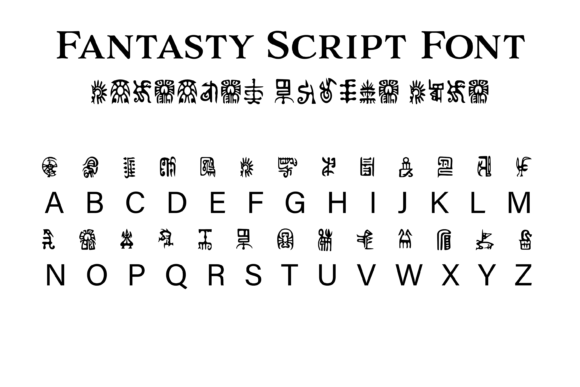
Fantasy Script 12 is a distinctive font designed to bring a sense of enchantment and storytelling to any project that requires a touch of the fantastical. This font includes the standard English alphabet and basic punctuation, making it accessible for a wide range of applications. What sets Fantasy Script 12 apart is its unique blend of elegance and whimsy, which can elevate the visual appeal of any text. Whether you're crafting a narrative for a Dungeons and Dragons campaign or designing a set for a fantasy LARP adventure, this font offers a versatile solution.
When considering fonts for creative projects, it's essential to evaluate how well they align with the tone and theme of your work. Fantasy Script 12 stands out in this regard, as it provides a visual representation of the fantasy genre that many other fonts may not capture. Its stylized letters evoke a sense of adventure and mystery, making it an ideal choice for those looking to immerse their audience in a world of imagination.
Understanding the Distinctiveness of Fantasy Script 12
The design of Fantasy Script 12 incorporates elements that reflect traditional fantasy typography while maintaining a modern sensibility. This balance allows it to fit seamlessly into various contexts, from book covers to game materials. The font’s curves and flourishes add a layer of sophistication that can enhance the overall aesthetic of your project. Additionally, its readability ensures that the text remains legible even when used in larger formats or on smaller screens.
One of the key features of Fantasy Script 12 is its adaptability. It can be used in both digital and print media, making it a valuable asset for creators who work across multiple platforms. This versatility is particularly beneficial for those involved in collaborative projects, where different team members may have varying needs regarding font usage. The font's consistent appearance across different mediums helps maintain a cohesive look throughout the entire project.
Comparing Fantasy Script 12 with Similar Options
When exploring alternatives to Fantasy Script 12, it's important to consider the specific requirements of your project. Other fantasy-themed fonts may offer similar aesthetics but could differ in terms of style, readability, or availability. For instance, some fonts may lean more towards a medieval or gothic style, while others might emphasize a more whimsical or modern approach. Understanding these differences can help you determine which font best suits your creative vision.
For example, if you're working on a novel that leans heavily into the medieval fantasy genre, a font with more pronounced ornamental details might be more appropriate. On the other hand, if your project requires a cleaner, more contemporary look, Fantasy Script 12 could provide the perfect balance between style and functionality. By evaluating the strengths and limitations of each option, you can make an informed decision that aligns with your artistic goals.
Strengths and Tradeoffs of Fantasy Script 12
Fantasy Script 12 excels in creating a visually engaging experience that complements the themes of fantasy literature and games. Its unique character set allows for expressive typography that can enhance the narrative elements of your work. However, it's important to note that the font's stylistic elements may not be suitable for all types of content. In cases where clarity and simplicity are paramount, such as in instructional materials or technical documents, a more straightforward font might be preferable.
Another consideration is the font's compatibility with different software and platforms. While Fantasy Script 12 is generally well-supported, there may be instances where it does not render as expected on certain devices or applications. This can be mitigated by testing the font in various environments and ensuring that it meets your project's requirements. Additionally, understanding the licensing terms associated with the font is crucial, as this can affect how you use it in both personal and commercial contexts.
Best-Fit Situations for Fantasy Script 12
Fantasy Script 12 is particularly well-suited for projects that benefit from a strong visual identity rooted in the fantasy genre. For instance, if you're developing a Dungeons and Dragons campaign, this font can help create a sense of immersion that enhances the overall gaming experience. The font's ability to convey a sense of adventure and wonder makes it an excellent choice for character names, quest titles, and other narrative elements that require a touch of flair.
In the context of a fantasy LARP (Live Action Role-Playing) adventure, Fantasy Script 12 can be used to design signage, maps, and other materials that contribute to the immersive atmosphere. The font's aesthetic can help establish a cohesive theme that aligns with the story and setting of the event. Similarly, for writers crafting a novel, this font can serve as a powerful tool for creating a unique voice that resonates with readers.
When to Consider Alternatives to Fantasy Script 12
While Fantasy Script 12 offers many advantages, there may be situations where another font would be more appropriate. For example, if your project requires a more formal or professional tone, a serif or sans-serif font might be better suited to the task. These fonts often provide a cleaner, more structured appearance that can enhance the readability of your text without sacrificing style.
Additionally, if you're working on a project that involves a broad audience, it's important to consider the font's accessibility. Some stylized fonts may pose challenges for readers with visual impairments or those who prefer simpler designs. In such cases, opting for a more universally readable font could ensure that your message reaches a wider audience effectively.
Practical Examples and Realistic Comparisons
To illustrate the practical application of Fantasy Script 12, consider a scenario where a writer is creating a fantasy novel. The font can be used for chapter headings, character names, and other elements that benefit from a distinct visual style. This not only enhances the reader's experience but also reinforces the thematic elements of the story. In contrast, if the same writer were producing a non-fiction guide on fantasy literature, a more straightforward font might be more effective in conveying information clearly and concisely.
Another example involves a game designer working on a Dungeons and Dragons campaign. Using Fantasy Script 12 for campaign titles and quest descriptions can add a layer of authenticity that enriches the gameplay experience. However, if the designer were creating a rules manual for the game, a more readable font would likely be necessary to ensure that players can easily access and understand the information provided.
Ultimately, the decision to use Fantasy Script 12 or an alternative font depends on the specific needs and goals of your project. By carefully evaluating the strengths and limitations of each option, you can make a choice that aligns with your creative vision and enhances the overall quality of your work.