Seashell: A Delightful Font for Coastal Creativity
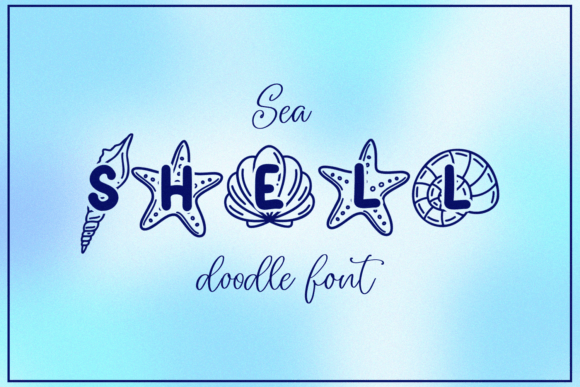
If you're looking for a font that brings the spirit of the beach to your designs, Seashell is a perfect choice. This charming typeface features elegant seashell embellishments on each letter, making it ideal for any project with a coastal or summer theme. Whether you're designing invitations, branding materials, or personal projects, Seashell adds a whimsical touch that captures the essence of seaside fun.
What Makes Seashell Unique?
Unlike standard fonts, Seashell isn't just about the letters—it's about the story they tell. Each character is adorned with delicate seashell details, giving it a hand-drawn, artistic feel. This makes it stand out in a world of generic typefaces. The font’s playful yet refined style works well for both casual and professional applications, offering versatility without sacrificing charm.
The design of Seashell is inspired by the natural beauty of the ocean. It mimics the soft curves and organic shapes found in seashells, creating a visual harmony that feels both nostalgic and modern. This balance between tradition and innovation makes it a favorite among designers who want to evoke a sense of warmth and familiarity in their work.
Real-World Applications for Seashell
One of the most common uses for Seashell is in event planning, particularly for beach-themed weddings, graduation parties, or summer festivals. Its aesthetic aligns perfectly with the vibe of these occasions, helping to create a cohesive look that resonates with guests. For example, a wedding planner might use Seashell for guest invitations, menu cards, or signage at the venue, instantly setting the tone for a memorable celebration.
Another popular application is in the hospitality industry. Beachfront resorts, cafes, and boutique shops often use Seashell to brand their services. From signage to promotional materials, the font helps reinforce the location’s identity while maintaining a friendly and inviting appearance. A local café near the coast could use Seashell for its logo, menus, or social media graphics to attract customers who are drawn to the idea of a relaxed, seaside lifestyle.
For artists and crafters, Seashell offers an opportunity to infuse their work with a personal, handmade feel. Scrapbook enthusiasts might use it to label pages or add decorative elements to their creations. Similarly, DIY bloggers could incorporate it into tutorials or product packaging to give their content a more authentic, creative edge.
Who Benefits from Using Seashell?
Seashell appeals to a wide range of users, from small business owners to hobbyists. For entrepreneurs, it can be a valuable tool for building a brand that reflects their values and personality. A boutique owner selling beachwear or home decor might choose Seashell to differentiate their products in a competitive market.
Designers also benefit from using Seashell in their portfolios. It adds a unique element to their work, demonstrating their ability to adapt typography to different themes. This can be especially useful when pitching ideas for client projects that require a specific aesthetic or mood.
Parents and educators may find practical uses for Seashell as well. For instance, a teacher creating a summer reading list could use the font to make the titles more engaging for students. Similarly, a parent organizing a family vacation might use it for travel itineraries or photo albums, adding a personal touch that makes the experience more memorable.
Considerations Before Using Seashell
While Seashell is visually appealing, it’s important to consider its readability. The intricate shell details can sometimes make the text harder to read, especially in smaller sizes. Designers should test the font in different formats to ensure it remains legible across various platforms and mediums.
Another factor to keep in mind is the context in which the font will be used. While it’s perfect for casual or creative projects, it may not be suitable for formal documents or professional presentations. Users should evaluate whether the font aligns with the tone and purpose of their work before incorporating it into their designs.
Additionally, compatibility is a key consideration. Not all design software supports every font, so users should verify that Seashell is available in their preferred tools. Some platforms may require additional steps to install or activate the font, so it’s wise to research this beforehand.
Seashell in Action: Practical Examples
Imagine a local bakery that wants to promote its new “Coastal Treats” line. By using Seashell in their packaging and marketing materials, they can create a consistent theme that reflects the beachy, laid-back atmosphere of their store. The font would complement the flavors and presentation of the products, making them more appealing to customers.
Or consider a travel blogger sharing tips for a beach getaway. Using Seashell in their blog posts or social media captions could help draw readers in with its visual appeal, making the content more engaging and shareable. It adds a layer of creativity that enhances the overall user experience.
Even in digital marketing, Seashell has its place. A real estate agent showcasing ocean-view properties might use the font in email campaigns or website banners to evoke a sense of luxury and relaxation. This subtle branding can influence potential buyers’ perceptions and increase the likelihood of engagement.