Sweet: A Stylish Handwritten Font for Elegant Design Projects
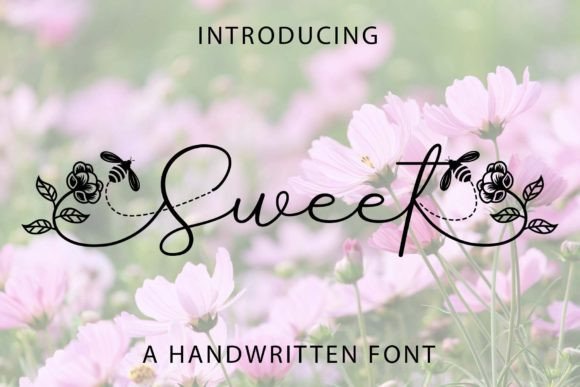
When it comes to adding a personal and artistic touch to design projects, the right font can make all the difference. Sweet is a decorative handwritten font that brings elegance and style to any creative endeavor. Its unique aesthetic makes it ideal for a wide range of applications, from wedding invitations to business cards, logos, and more. Understanding how to integrate Sweet into your workflow can enhance the quality and professionalism of your designs.
Understanding Sweet and Its Role in Design Workflows
Sweet is more than just a font; it's a tool that can elevate the visual appeal of your work. Designed with a focus on readability and grace, it offers a natural, handcrafted look that stands out in digital and print media. Whether you're working on a personal project or a professional assignment, incorporating Sweet can add a level of sophistication that other fonts may not achieve.
The font is PUA encoded, which means it allows for easy access to all glyphs and alternates without requiring special software. This feature is particularly useful for designers who want to customize their typography and maintain consistency across different projects. By understanding how to use these features effectively, you can streamline your design process and ensure a polished final result.
Integrating Sweet into Your Creative Process
Before starting a new design project, consider how Sweet might fit into your overall plan. If you're creating wedding invitations, for example, using Sweet can help convey a sense of warmth and intimacy. Similarly, for thank you cards or greeting cards, the font adds a personal and heartfelt touch that resonates with recipients.
During the design phase, you can experiment with different layouts and combinations to see how Sweet interacts with other elements of your design. This includes testing it against other fonts, colors, and graphics to ensure harmony and balance. By doing so, you can create a cohesive visual identity that aligns with your project's goals.
After completing your design, take time to review how Sweet contributes to the overall message and tone. Does it enhance the intended emotion? Is it legible and effective in the context of the design? These considerations are crucial for ensuring that your final product meets your expectations and those of your audience.
Using Sweet in Different Design Contexts
Sweet is versatile enough to be used in various design contexts. For instance, when creating logos, the font can add a unique and memorable element that sets your brand apart. It works well for both modern and traditional styles, making it a flexible choice for different industries and audiences.
In business cards, Sweet can help establish a professional yet approachable image. Its elegant appearance can make a lasting impression on clients and colleagues, reinforcing your brand's personality. When paired with appropriate color schemes and layout designs, it can contribute to a strong and cohesive brand identity.
For quotes and motivational posters, Sweet provides a visually appealing way to present text. Its flowing lines and delicate details make it ideal for conveying messages with a sense of grace and refinement. This makes it a popular choice among educators, bloggers, and content creators looking to add a touch of class to their materials.
Practical Tips for Implementing Sweet
To get the most out of Sweet, start by familiarizing yourself with its features and capabilities. Explore the different glyphs and alternates available, and experiment with how they affect the overall look of your text. This can help you discover unique variations that suit your specific needs.
When using Sweet in design software, ensure that your application supports PUA encoding. Most modern design tools, such as Adobe Illustrator, Photoshop, and Canva, allow for easy font integration. If you encounter any issues, check the software's documentation or support resources for guidance.
Consider the context in which you'll use Sweet. For example, if you're designing for print, make sure the font is compatible with your printer's settings and paper type. For digital use, test the font across different devices and screen sizes to ensure clarity and consistency.
Enhancing Workflow Efficiency with Sweet
Integrating Sweet into your workflow can improve efficiency and reduce the time spent on font selection and customization. By having a reliable and versatile font like Sweet at your disposal, you can quickly apply it to different projects without compromising quality or aesthetics.
Additionally, using Sweet consistently across multiple projects can help maintain a cohesive visual style. This is especially beneficial for businesses and brands that need to reinforce their identity through consistent design elements. By establishing a standard font usage, you can streamline your design process and ensure a unified look across all materials.
When working with a team, share the font files and guidelines to ensure everyone uses Sweet correctly. This promotes collaboration and helps maintain a high level of quality throughout the project lifecycle. Clear communication about font usage can prevent inconsistencies and reduce the need for revisions.
Long-Term Use and Maintenance of Sweet
As you continue to use Sweet in your design projects, keep track of how it performs over time. Monitor its compatibility with new software updates and operating systems to ensure continued functionality. Regularly review your design assets to identify any potential issues or areas for improvement.
Stay informed about any updates or improvements to the font itself. Developers often release new versions with enhanced features and bug fixes, which can further improve your experience. By staying up to date, you can take advantage of the latest advancements and maintain the highest standards in your work.
Finally, consider the long-term impact of using Sweet on your design portfolio. A consistent and professional use of the font can showcase your attention to detail and commitment to quality. This can be valuable for building your reputation and attracting clients or opportunities in the future.