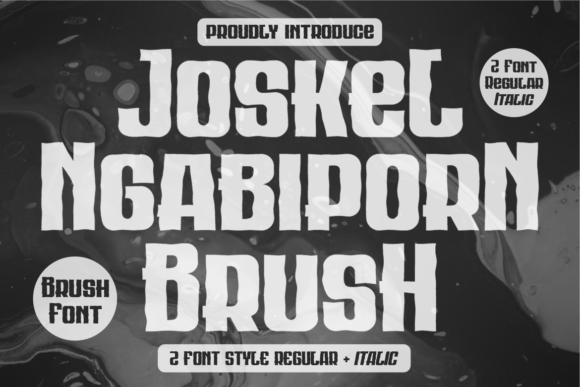
Joskel Ngabiporn Brush: A Bold and Authentic Display Font for Creative Workflows
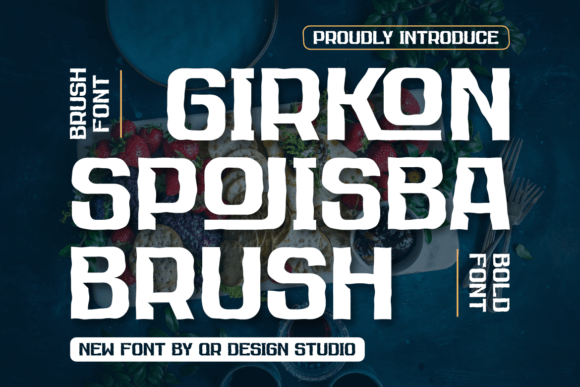
The Joskel Ngabiporn Brush font is a striking display typeface that brings a sense of authenticity and energy to any design project. Its hand-drawn aesthetic, combined with a strong visual presence, makes it ideal for branding, packaging, editorial work, and more. Whether you're working on a logo, a food-related design, or a creative campaign, this font can elevate your output with its unique character and versatility.
Designed with both style and functionality in mind, the Joskel Ngabiporn Brush font is available in multiple formats, including OTF (OpenType Font) and TTF (TrueType Font), with both Regular and Italic variants. This flexibility ensures compatibility across various design platforms and software, making it an essential tool for professionals and creatives alike.
Understanding the Role of Joskel Ngabiporn Brush in Design Processes
In the broader context of design workflows, the Joskel Ngabiporn Brush font serves as a powerful visual element that can define the tone and personality of a project. Its bold strokes and organic feel make it particularly effective for creating eye-catching headlines, logos, and other display elements. When integrated into a design process, this font can help establish a cohesive brand identity while adding a touch of individuality.
Before starting a project, designers often explore different typefaces to find the right match for their vision. The Joskel Ngabiporn Brush font can be a valuable resource during this phase, offering a distinctive look that stands out from more conventional fonts. Its availability in both regular and italic styles also allows for greater typographic variety, enabling designers to experiment with different layouts and compositions.
Using Joskel Ngabiporn Brush in Different Stages of a Project
The versatility of the Joskel Ngabiporn Brush font means it can be used at various stages of a project. During the initial concept phase, it can inspire creative direction by providing a visual reference for the desired style. In the execution phase, it can be applied to mockups, prototypes, and final designs to enhance the overall aesthetic. Even in the post-production stage, it can be used for marketing materials, social media content, or promotional assets.
For example, a designer working on a food brand might use the Joskel Ngabiporn Brush font to create a custom logo that reflects the brand’s personality. The font’s brush-like texture adds a handcrafted feel, which can resonate well with consumers looking for authentic and unique experiences. Similarly, a marketer planning a campaign might incorporate the font into banners, posters, and digital ads to create a consistent visual language across all channels.
Integrating Joskel Ngabiporn Brush into Your Workflow
Successfully integrating the Joskel Ngabiporn Brush font into your workflow requires careful consideration of compatibility, usability, and efficiency. First, ensure that your design software supports OTF and TTF file formats. Most modern design tools, such as Adobe Photoshop, Illustrator, and InDesign, are compatible with these formats, making it easy to apply the font in different contexts.
When working on a project, organize your font files in a dedicated folder to streamline access. This practice not only improves efficiency but also helps maintain consistency across different design elements. Additionally, consider using font management tools to keep track of installed fonts and avoid conflicts that may arise from duplicate or outdated versions.
Collaboration and Team Use
For teams or collaborative projects, the Joskel Ngabiporn Brush font can be shared among members to ensure a unified design approach. When working with others, it's important to communicate clearly about font usage, especially if the project involves multiple stakeholders or external partners. Providing access to the font files and specifying where and how they should be used can prevent inconsistencies and reduce the risk of errors.
Additionally, when working with clients or freelancers, it's beneficial to include the font in the project deliverables. This ensures that the final output maintains the intended visual style and avoids potential issues related to font licensing or availability.
Long-Term Use and Maintenance
Over time, the Joskel Ngabiporn Brush font can become a staple in your design toolkit, especially if it aligns with your creative goals and project requirements. To maintain its effectiveness, regularly review how it performs in different applications and update your workflow as needed. For instance, if you start working with new design platforms or tools, verify that the font remains compatible and continues to meet your needs.
Consistency is key when using the font over the long term. Establishing guidelines for its application—such as appropriate sizes, spacing, and color combinations—can help ensure that it remains a reliable asset in your design process. These guidelines can also serve as a reference for team members or collaborators who may need to use the font in future projects.
Practical Tips for Using Joskel Ngabiporn Brush
- Experiment with different weights and styles: The Regular and Italic variants of the font offer distinct visual characteristics. Use them strategically to add depth and variation to your designs.
- Pair with complementary fonts: While the Joskel Ngabiporn Brush font is a standout choice, it often works best when paired with simpler, more neutral typefaces for body text or supporting elements.
- Test in real-world scenarios: Before finalizing a design, test the font in different environments, such as print, web, or mobile screens, to ensure it maintains its clarity and impact.
- Use it for emphasis: The font’s bold and dynamic appearance makes it ideal for headlines, titles, and other elements that require attention and visibility.
Conclusion: Elevate Your Designs with Joskel Ngabiporn Brush
The Joskel Ngabiporn Brush font is more than just a stylistic choice—it’s a practical tool that can enhance the quality and uniqueness of your work. By understanding its role in the design process, integrating it effectively into your workflow, and using it thoughtfully, you can unlock its full potential. Whether you're working on a personal project, a business initiative, or a creative endeavor, this font offers a versatile and expressive solution that can help you stand out in a competitive landscape.