Triangle: A Versatile Decorative Font for Creative Workflows
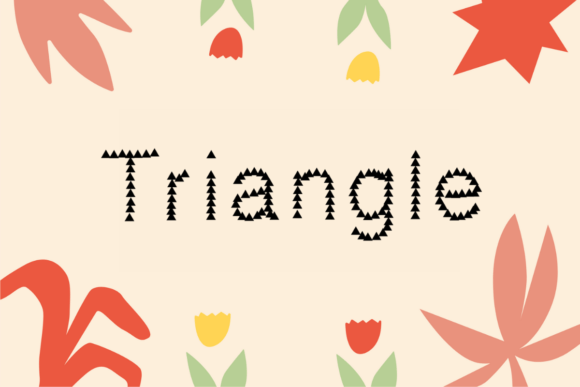
Triangle is a unique decorative font composed of small triangles, offering a visually striking alternative to traditional typefaces. Its geometric design makes it ideal for projects that require a modern, tech-savvy, or playful aesthetic. Whether you're working on a children's book, a digital interface, or a marketing campaign, Triangle can add a distinctive visual element that enhances the overall look and feel of your work.
Understanding Triangle in the Context of Design Workflows
In the broader context of design and creative workflows, Triangle serves as a tool that can be integrated at various stages. From initial concept development to final presentation, this font offers flexibility and adaptability. It is particularly useful when you want to emphasize structure, precision, or innovation in your visual communication.
For instance, during the brainstorming phase of a project, using Triangle can help convey a sense of clarity and order. In the execution phase, it can be used to highlight key points or create visual interest in text-heavy content. When preparing for a presentation or publication, Triangle can be a powerful tool to make your message stand out.
Triangle in Different Creative Contexts
Triangle is not limited to a single use case. Its versatility allows it to fit into a wide range of creative contexts. Here are some examples:
- Kids' Content: Triangle’s playful geometry makes it a great choice for educational materials, storybooks, or interactive learning tools designed for children. Its simple yet engaging form can capture attention and support early learning.
- IT and Technology: In the tech industry, Triangle can be used in UI/UX design, app interfaces, or digital signage. Its clean lines and structured appearance align well with the principles of modern technology and innovation.
- Marketing and Branding: For brands looking to establish a modern identity, Triangle can be used in logos, promotional materials, or social media content. It helps communicate a forward-thinking and dynamic brand image.
- Art and Graphic Design: Artists and designers can use Triangle to add a unique texture or pattern to their work. It works well in abstract designs, posters, or illustrations where visual contrast is important.
Integrating Triangle into Your Workflow
Successfully integrating Triangle into your workflow requires careful planning and consideration of compatibility. Before using the font, ensure it is available in your design software or platform. Most modern design tools, such as Adobe Illustrator, Figma, or Canva, support custom fonts, making it easy to incorporate Triangle into your projects.
When working with Triangle, consider the following tips:
- Test in Different Sizes: Triangle’s effectiveness can vary depending on the size and spacing. Experiment with different sizes to see how the font performs in various contexts.
- Pair with Complementary Fonts: While Triangle is a strong standalone font, pairing it with more traditional typefaces can help balance the design and improve readability.
- Use for Emphasis: Triangle is best used for headings, titles, or short phrases rather than long blocks of text. This ensures that its visual impact is maintained without compromising legibility.
- Check for Readability: Ensure that the font remains readable across different devices and screen sizes. This is especially important if the design will be viewed on mobile or tablet platforms.
By following these guidelines, you can maximize the effectiveness of Triangle while maintaining a professional and polished appearance in your work.
Triangle and Collaboration
When working with a team, Triangle can serve as a unifying element that reinforces a shared vision. If multiple designers or developers are involved in a project, using a consistent font like Triangle can help maintain visual coherence across different components.
For example, in a web development project, the design team might choose Triangle for the site’s header or navigation elements. The development team can then ensure that the font is properly implemented and displayed across all pages. This level of coordination helps streamline the production process and reduces the risk of inconsistencies.
In collaborative environments, it’s also important to document font usage and provide access to the necessary files. This ensures that everyone on the team can use Triangle effectively without technical barriers.
Long-Term Use and Maintenance
When considering the long-term use of Triangle, it’s important to think about maintenance and updates. As design trends evolve, the relevance of certain fonts may change. However, Triangle’s geometric style ensures that it remains timeless and adaptable to future needs.
To keep your projects up-to-date, regularly review how Triangle is being used and whether it still aligns with your goals. If needed, you can gradually introduce new fonts or variations to refresh the look without losing the core identity established by Triangle.
Additionally, consider the file size and format of the font. Some versions of Triangle may be optimized for specific platforms or devices, so choosing the right format ensures smooth integration and performance.
Conclusion: Triangle as a Strategic Design Choice
Triangle is more than just a decorative font—it’s a strategic design choice that can enhance the visual appeal and effectiveness of your work. By understanding how it fits into your workflow, you can leverage its unique qualities to create compelling and professional results.
Whether you’re designing for kids, technology, marketing, or art, Triangle offers a versatile solution that supports creativity, clarity, and consistency. With proper implementation and thoughtful use, it can become an essential part of your design toolkit.