The Coaster: A Versatile Multiline Decorative Font for Creative Projects
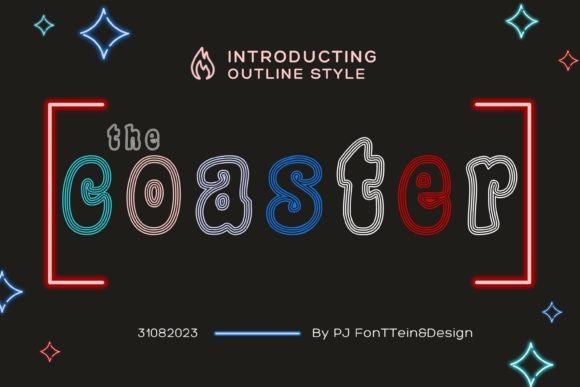
The Coaster is a distinctive multiline decorative font that has gained popularity among designers, artists, and marketers for its unique ability to enhance visual communication. With its bold strokes and elegant curves, The Coaster offers a fresh and dynamic look that can elevate logos, posters, and 3D designs. Whether you're looking to create a striking brand identity or add a touch of creativity to your next project, The Coaster provides a versatile solution that combines style with functionality.
For professionals in the design industry, selecting the right font is more than just an aesthetic choice—it's a strategic decision that can influence how a message is received. The Coaster stands out because it balances artistic flair with readability, making it suitable for a wide range of applications. Its multiline structure allows for creative spacing and layout options, which can be particularly useful when designing for digital or print media.
Challenges and Opportunities in Design Projects
Designers often face challenges when trying to convey a specific message through typography. A poorly chosen font can make a design feel cluttered, unprofessional, or difficult to read. In contrast, a well-chosen font like The Coaster can help communicate the intended tone and personality of a project. For instance, if you're creating a logo for a new business, The Coaster can provide a sense of energy and modernity that aligns with contemporary branding trends.
Another challenge is ensuring that a font remains legible across different mediums. The Coaster is designed with this in mind, offering clear lines and consistent proportions that maintain their visual appeal at various sizes. This makes it ideal for use in both large-scale posters and smaller, detailed 3D works where clarity is essential.
How The Coaster Can Help Address Design Needs
The Coaster's versatility makes it a valuable tool for designers looking to express creativity without sacrificing functionality. One of its key strengths is its adaptability to different design contexts. Whether you're working on a high-impact poster for an event or a custom logo for a startup, The Coaster can be tailored to meet the specific needs of your project.
For example, when used in a poster, The Coaster can draw attention and guide the viewer's eye through the design. Its bold and expressive nature makes it perfect for headlines or titles that need to stand out. In 3D works, such as signage or product packaging, The Coaster adds a layer of visual interest that enhances the overall presentation.
Practical Applications and Outcomes
One of the most common uses of The Coaster is in logo design. A well-crafted logo can serve as the foundation of a brand's identity, and The Coaster provides a strong visual statement that can help differentiate a brand from competitors. When paired with other design elements, such as colors and graphics, The Coaster can create a cohesive and memorable brand image.
In addition to logos, The Coaster is also effective in creating eye-catching headlines for marketing materials. Whether it's for a social media campaign, a magazine ad, or a website banner, The Coaster can add a sense of movement and energy that captures the audience's attention. Its multiline structure allows for creative formatting, making it possible to experiment with different layouts and styles.
For those working on 3D projects, The Coaster can be used to add texture and depth to designs. This is particularly useful in architectural visualization, product design, or digital art where typography plays a crucial role in the overall composition. By incorporating The Coaster into 3D models, designers can create more engaging and immersive experiences for viewers.
Examples and Recommendations
Consider a scenario where a designer is tasked with creating a logo for a new coffee shop. Using The Coaster, they can craft a logo that feels both modern and inviting. The font's clean lines and balanced proportions can reflect the café's commitment to quality and craftsmanship, while its decorative elements add a touch of sophistication.
Another example could involve a graphic designer working on a promotional poster for a music festival. By using The Coaster as the headline font, they can create a visually compelling design that conveys excitement and energy. The font's dynamic appearance can complement the festival's theme and attract the target audience effectively.
When working with The Coaster, it's important to consider the context in which it will be used. While it excels in display settings, it may not be the best choice for body text due to its decorative nature. Instead, it should be reserved for headings, titles, or other prominent elements where its visual impact can be fully appreciated.
Considering Different User Approaches
Users may approach The Coaster differently based on their specific goals and design preferences. Some may use it primarily for its aesthetic value, while others may focus on its functional aspects, such as readability and scalability. Understanding these variations can help users make informed decisions about how to incorporate The Coaster into their work.
For instance, a freelance designer might choose The Coaster for a client's branding project to create a unique and memorable identity. On the other hand, a student working on a design portfolio may use The Coaster to showcase their creativity and technical skills. Each user's approach will depend on their individual needs and the nature of their projects.
Ultimately, The Coaster offers a powerful combination of style and functionality that can benefit a wide range of design applications. By understanding its strengths and limitations, users can harness its potential to create visually appealing and effective designs that resonate with their audiences. Whether you're a professional designer or an aspiring artist, The Coaster provides a valuable resource for bringing your creative vision to life.